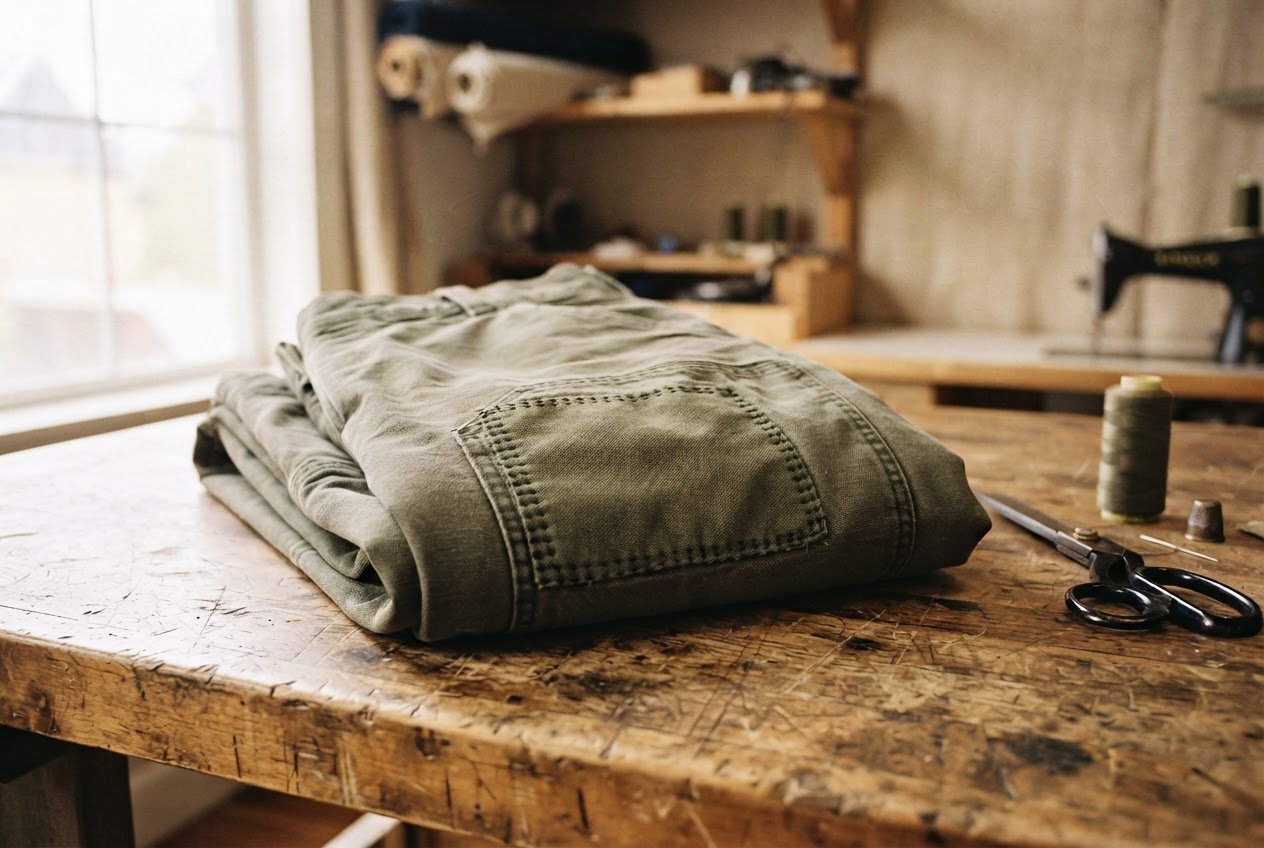
A patch is not the end of a garment. It is a note from the days it has seen: the fence you leaned on, the tool that slipped, the long afternoon kneeling to get a job finished. The first repair can feel like a small decision, but it is often the moment a piece becomes yours in a different way. You know where the wear came from, and you get to decide what comes next.
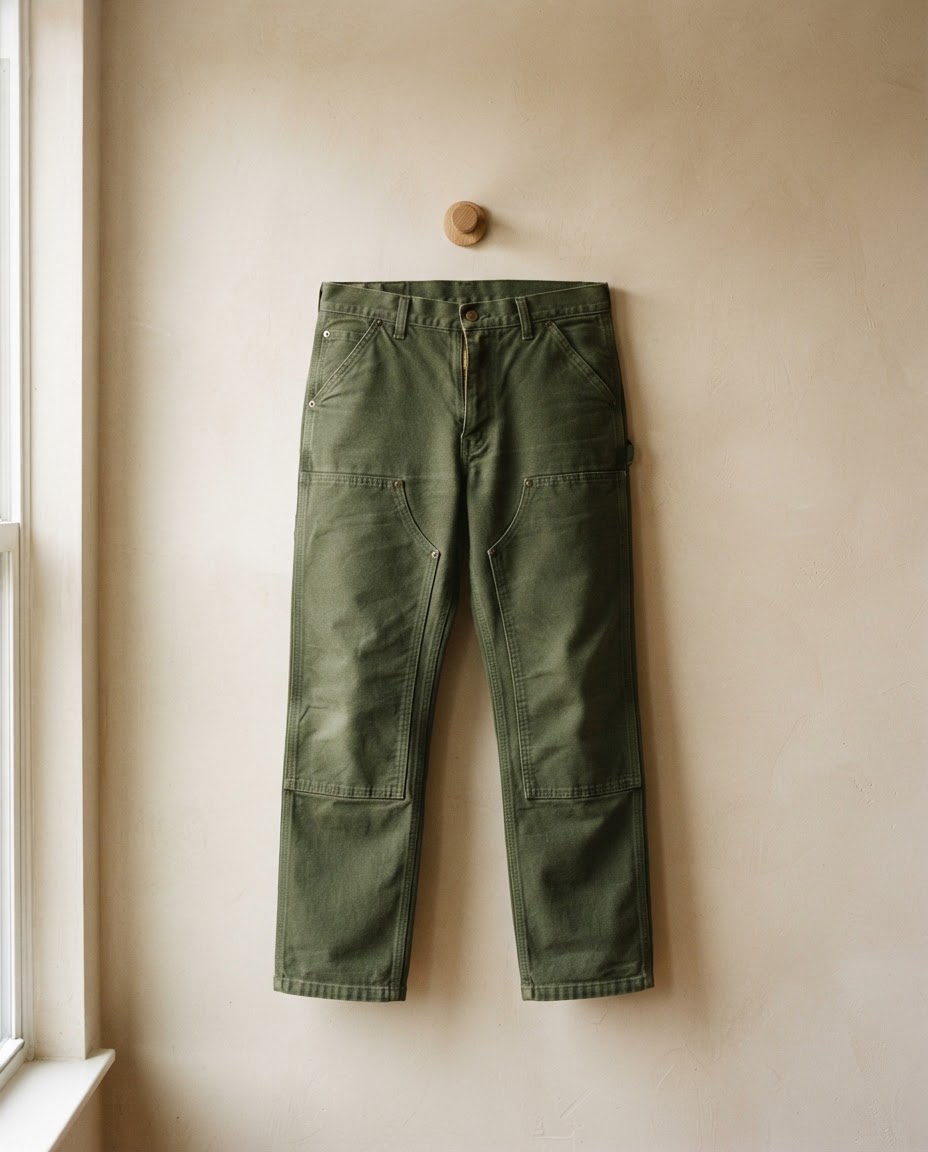
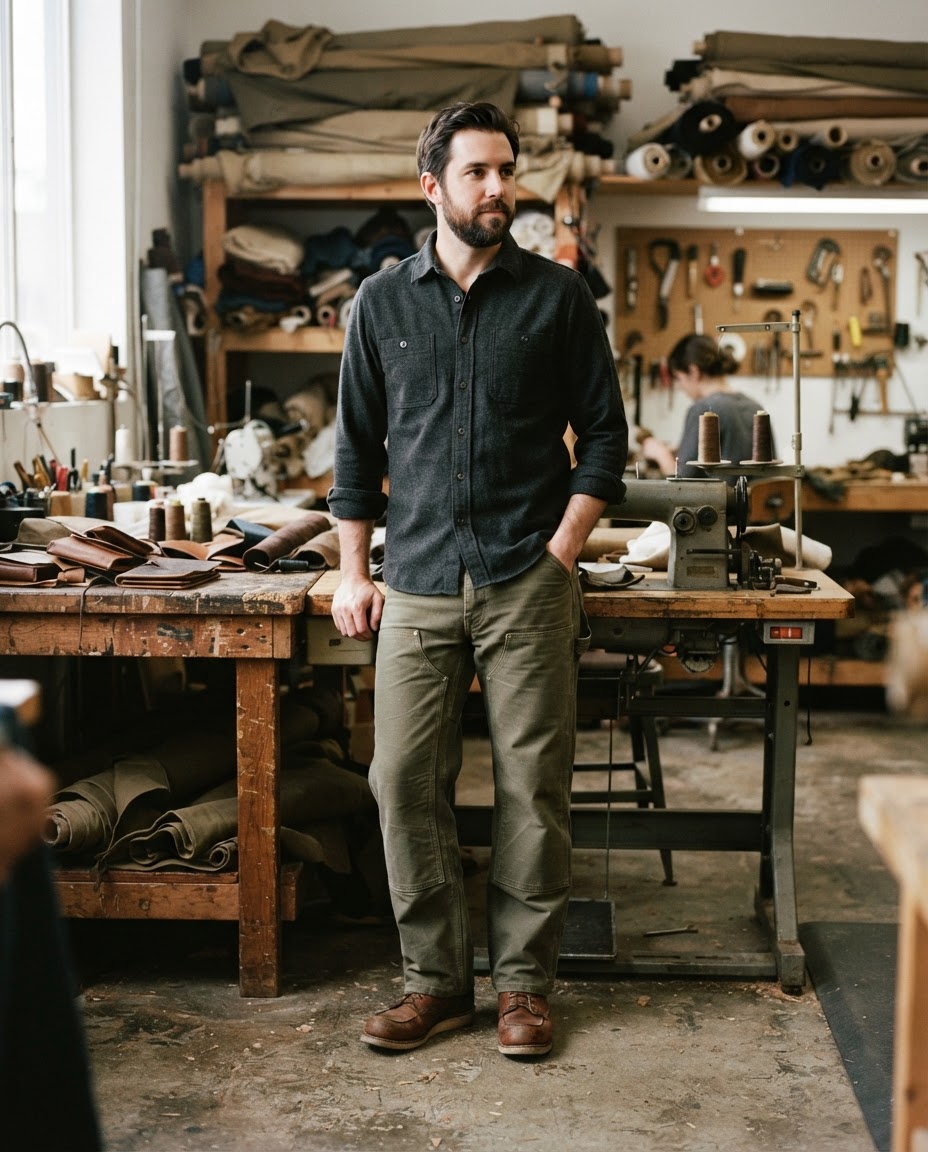
We see that story often in the Double-Knee Canvas Pant. The second layer is there for hard use, but even good 11 oz canvas eventually thins where a person bends and works. A customer brought in a pair with a worn patch at one knee and the start of a split along the pocket edge. The rest of the pants still fit well, so we matched the canvas, opened the seam just enough to get the repair flat, and reinforced the area from the inside. We stitched the pocket edge back down, then checked the leg from the outside so the mend sat comfortably when the wearer walked.
That is the useful part of a repair: it answers the actual problem without making a garment feel like a project. Sometimes we add a visible patch because the fabric needs support and the owner likes seeing the evidence. Sometimes we keep the reinforcement inside, especially when the damage is small or sits under a pocket. We talk through the options when a piece arrives. There is no prize for making a repair invisible if a strong, honest patch will serve better.
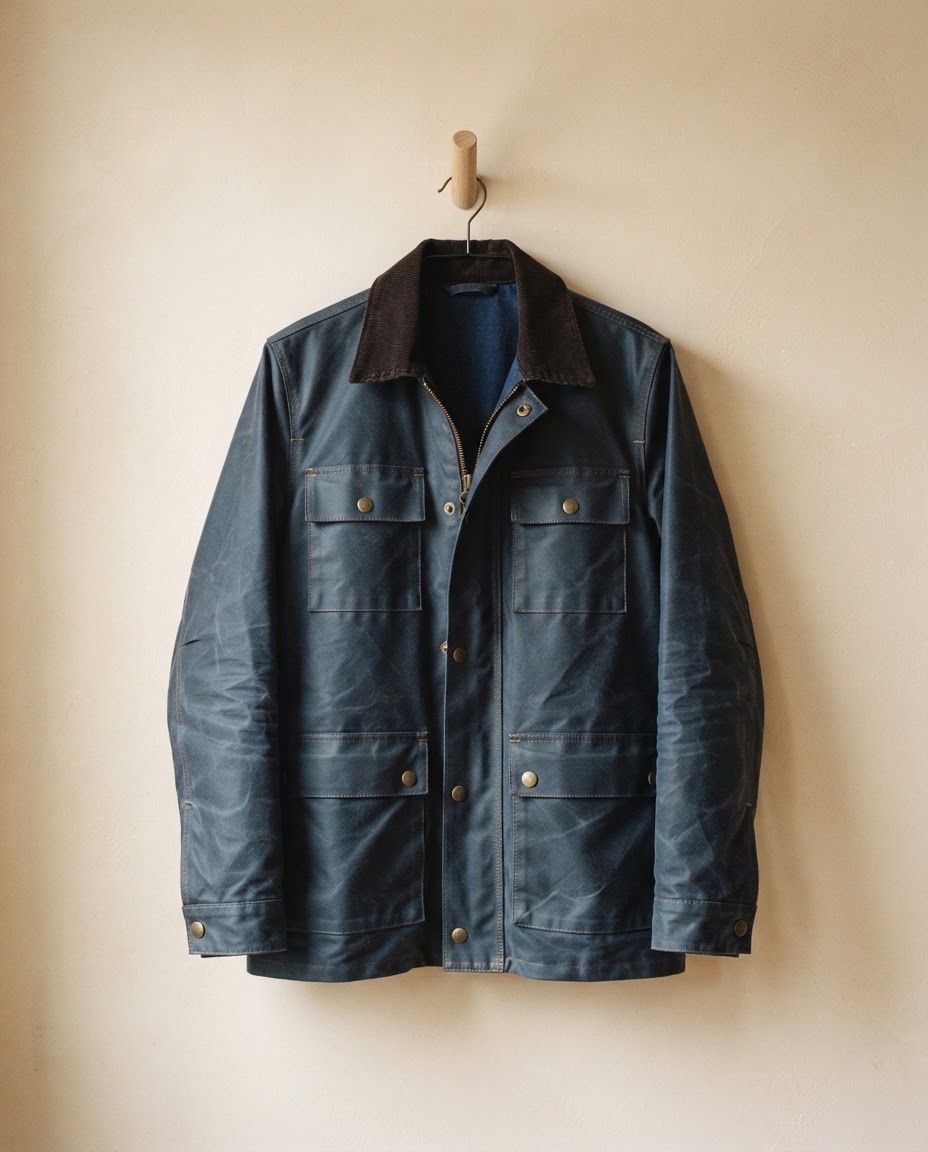
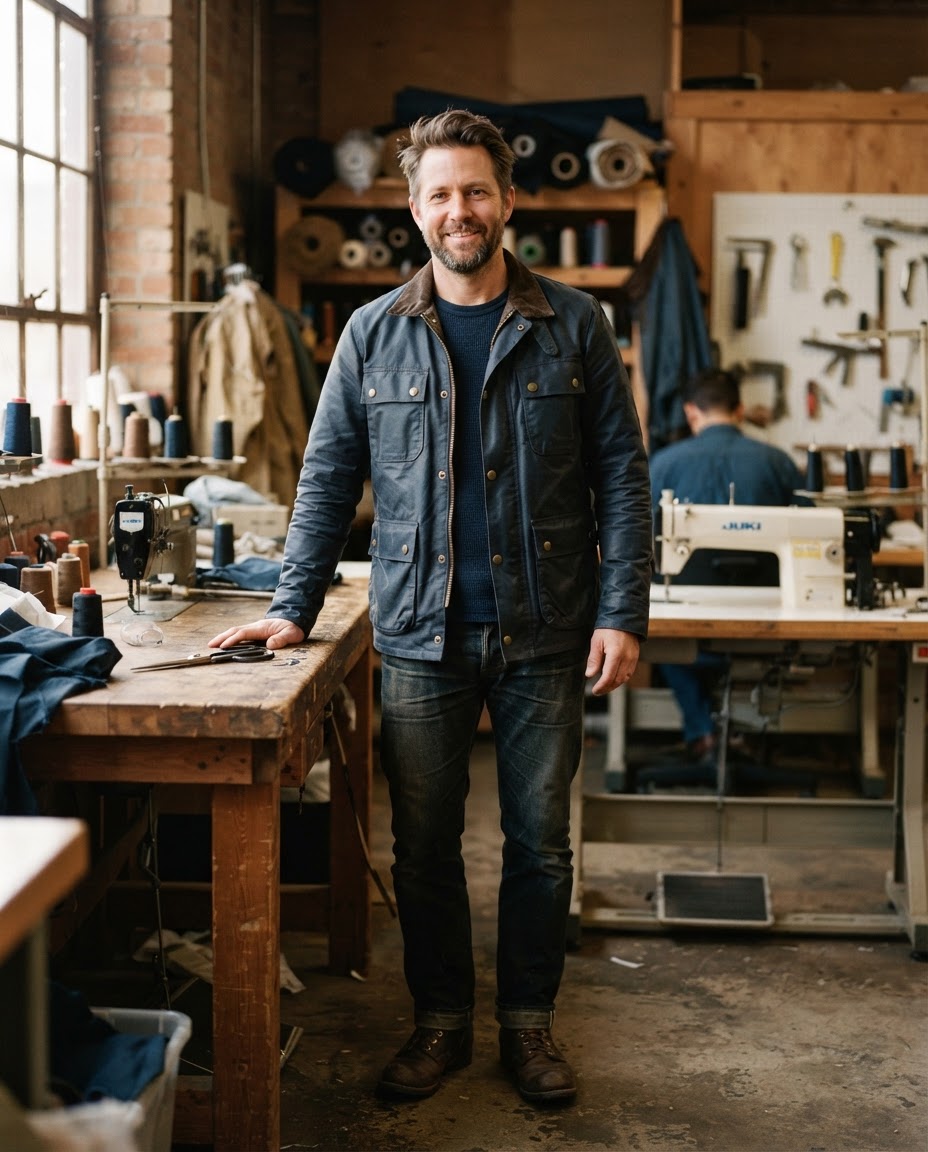
Waxed canvas has its own habits. A Waxed Field Jacket may show a pale crease or a shiny spot long before anything is damaged. Those marks are part of how the finish responds to folding and weather. When a seam opens or a cuff takes a real tear, we look at the cloth around it before choosing thread and backing. If the wax has gathered at the edge, we work it gently rather than pressing hard and spreading it across the panel. The point is to mend the jacket, not erase every sign that it has been outside.
Our repair promise began with a simple question: what if a company stayed responsible for its clothes after the sale? Nina Okafor started the workshop in Portland in 2017, and our team of six still receives pieces at the same worktables where new runs are made. A repair may arrive by mail with a note tucked into the pocket. We read it, inspect the garment, and write back if we need to know how the wearer wants the patch handled. The small details matter because the owner knows the piece better than we do.
A good patch is a sign of use, not failure. It says the fabric did its work and someone cared enough to keep it going. Send us the pants or jacket when it needs attention. We will take a look, mend normal wear for free, and send it back ready for another stretch of ordinary days. We keep a small shelf of thread colors and canvas offcuts from current and past runs, so a repair can meet the original fabric as closely as practical. If an exact match has softened or faded with use, we choose a sturdy neighbor rather than pretending the new cloth has already lived the same life. The stitch is tested by hand before the piece is packed, and the owner gets it back with its story still visible.
— Nina, Field & Mercer
Explore free repairs for life